Sealevel
Solana's parallel transaction processing runtime that enables concurrent execution of non-overlapping transactions by requiring upfront account dependency declaration.
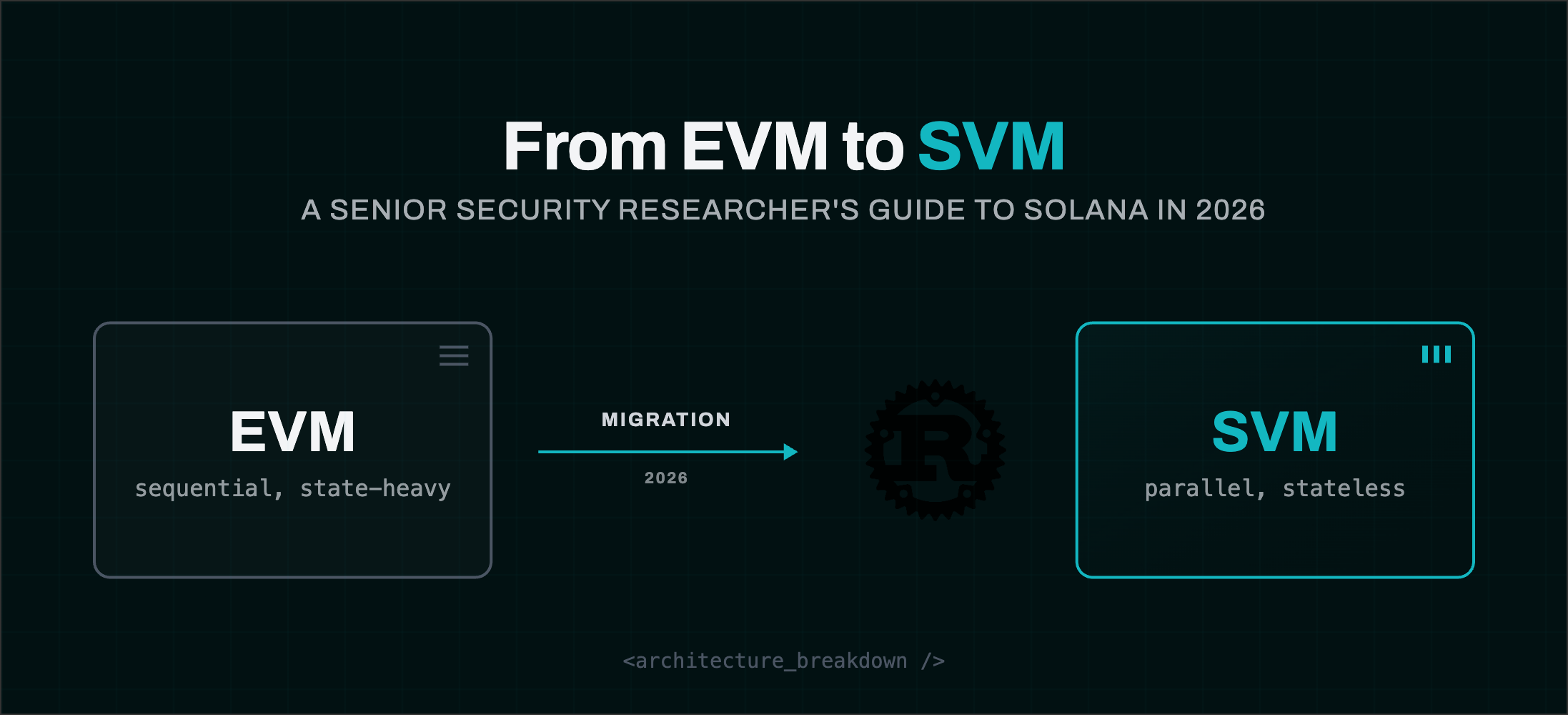
Sealevel is Solana's parallel smart contract runtime, and it is the core innovation that differentiates Solana's execution model from sequential-processing blockchains like Ethereum. While the EVM executes transactions one at a time, Sealevel can process thousands of transactions simultaneously by leveraging the SVM's requirement that every transaction declares its account read/write dependencies upfront.
How Sealevel enables parallelism
When a transaction is submitted to Solana, it must specify every account it will read from or write to. Sealevel uses this information to build a dependency graph:
- Non-overlapping transactions (touching different accounts) are scheduled for parallel execution across multiple CPU cores
- Conflicting transactions (writing to the same account) are serialized and executed sequentially
This design means that Solana's throughput scales with hardware—more CPU cores and faster memory enable higher transaction volumes.
Security implications
Sealevel's parallelism introduces unique security considerations that do not exist in sequential execution environments:
Account locking: Because the runtime locks accounts during transaction execution, programs cannot assume that account state will remain unchanged between a read and a subsequent write within the same slot if accessed by different transactions.
Transaction ordering: Unlike Ethereum's single-threaded execution where miners determine a strict transaction order, Solana's parallel execution means that the relative ordering of non-conflicting transactions within a slot is non-deterministic.
Resource contention: Popular accounts (like a shared pool state in a DEX) become serialization bottlenecks since all transactions touching them must run sequentially. This creates localized denial-of-service vectors where an attacker can spam transactions targeting a hot account.
Audit relevance
When auditing programs on Solana, understanding Sealevel's parallel execution model is essential for identifying concurrency-related vulnerabilities. Auditors should examine whether programs make assumptions about transaction ordering, and whether high-contention accounts create opportunities for economic exploitation or denial of service.
Sealevel is the architectural foundation that makes Solana's claimed throughput possible, and its constraints directly shape how secure programs must be designed.
Articles Using This Term
Learn more about Sealevel in these articles:
Related Terms
SVM (Solana Virtual Machine)
The runtime environment that executes programs on Solana using a parallelized, stateless account model, compiled to Solana Bytecode Format (SBF).
Firedancer
High-performance Solana validator client that moves the network's performance limit to the hardware layer, enabling dynamic block sizing and multi-client consensus.
Validator Set
The group of nodes responsible for validating transactions and reaching consensus in a blockchain network or cross-chain bridge.
Need expert guidance on Sealevel?
Our team at Zealynx has deep expertise in blockchain security and DeFi protocols. Whether you need an audit or consultation, we're here to help.
Get a Quote