Mempool
The memory pool where pending transactions wait before being included in a block, visible to all network participants.
The mempool (memory pool) is a waiting area where unconfirmed transactions sit before block producers include them in the blockchain. Every transaction broadcast to the network enters the mempool, where it remains visible to all participants until a validator or miner selects it for block inclusion. This transparency, while essential for decentralization, creates opportunities for front-running and other MEV extraction strategies.
How the Mempool Works
When a user submits a transaction, it propagates through the peer-to-peer network, reaching nodes that add it to their local mempool. Each node maintains its own mempool view, though they generally converge on similar contents. Transactions remain in the mempool until either included in a block or dropped due to expiration, insufficient gas, or replacement by a higher-gas transaction with the same nonce.
Block producers (miners in proof-of-work, validators in proof-of-stake) select transactions from the mempool to include in their blocks. Traditionally, selection prioritizes transactions offering higher gas prices, creating an auction for block space. This economic incentive structure enables MEV extraction.
Mempool and Front-Running
The mempool's public visibility creates significant security implications for DeFi users. Anyone can observe pending transactions and react before they execute:
Transaction sniping: Attackers see a large DEX trade pending and submit their own trade at higher gas to execute first, moving the price against the victim.
Sandwich attacks: Sophisticated attackers place transactions both before and after a victim's trade, profiting from the price movement they cause.
Approval exploitation: When users submit ERC20 approve transactions, attackers can front-run with transferFrom calls to drain allowances before changes take effect.
Liquidation racing: Multiple parties compete to liquidate undercollateralized positions, with the highest gas bidder winning the liquidation reward.
Mempool Monitoring
Various tools and services provide mempool visibility:
Public mempool explorers: Services like Blocknative and EigenPhi show pending transactions across the network.
Direct node access: Running an Ethereum node provides real-time mempool access through RPC calls like eth_pendingTransactions.
Flashbots Protect: A private transaction service that bypasses the public mempool, sending transactions directly to block builders.
MEV searcher infrastructure: Sophisticated actors run custom infrastructure to detect and respond to profitable mempool opportunities in milliseconds.
Protecting Against Mempool Attacks
Several strategies help protect transactions from mempool-based attacks:
Private transaction pools: Services like Flashbots Protect, MEV Blocker, and various RPC providers offer private transaction submission that bypasses the public mempool.
Commit-reveal schemes: Split transactions into commitment and reveal phases. The commitment hides transaction details; the reveal executes after the commitment is confirmed.
Reasonable slippage settings: Set slippage tolerance low enough that front-running becomes unprofitable, while high enough for transactions to succeed.
Batch auctions: Protocols like CoW Protocol batch multiple orders together, executing at uniform clearing prices that eliminate front-running opportunities.
Time-weighted average prices: Using TWAP oracles instead of spot prices reduces the impact of momentary price manipulation.
Mempool in Different Networks
Different blockchain networks handle mempools differently:
Ethereum mainnet: Fully public mempool with active MEV extraction ecosystem. Private transaction services available.
Layer 2 rollups: Often have centralized sequencers that receive transactions directly, reducing or eliminating public mempool exposure.
Alternative L1s: Various approaches from fully public mempools to encrypted mempools and threshold encryption schemes.
The Future of Mempools
Ongoing research aims to reduce MEV extraction and improve transaction fairness:
Encrypted mempools: Transactions remain encrypted until block order is finalized, preventing front-running based on transaction content.
Fair ordering protocols: Consensus mechanisms that order transactions based on when they were received rather than gas price.
MEV redistribution: Mechanisms to capture MEV at the protocol level and redistribute it to users rather than extractors.
Understanding the mempool is essential for anyone building or using DeFi applications. The public nature of pending transactions creates both opportunities for attackers and challenges for protocol designers working to protect users from exploitation.
Articles Using This Term
Learn more about Mempool in these articles:
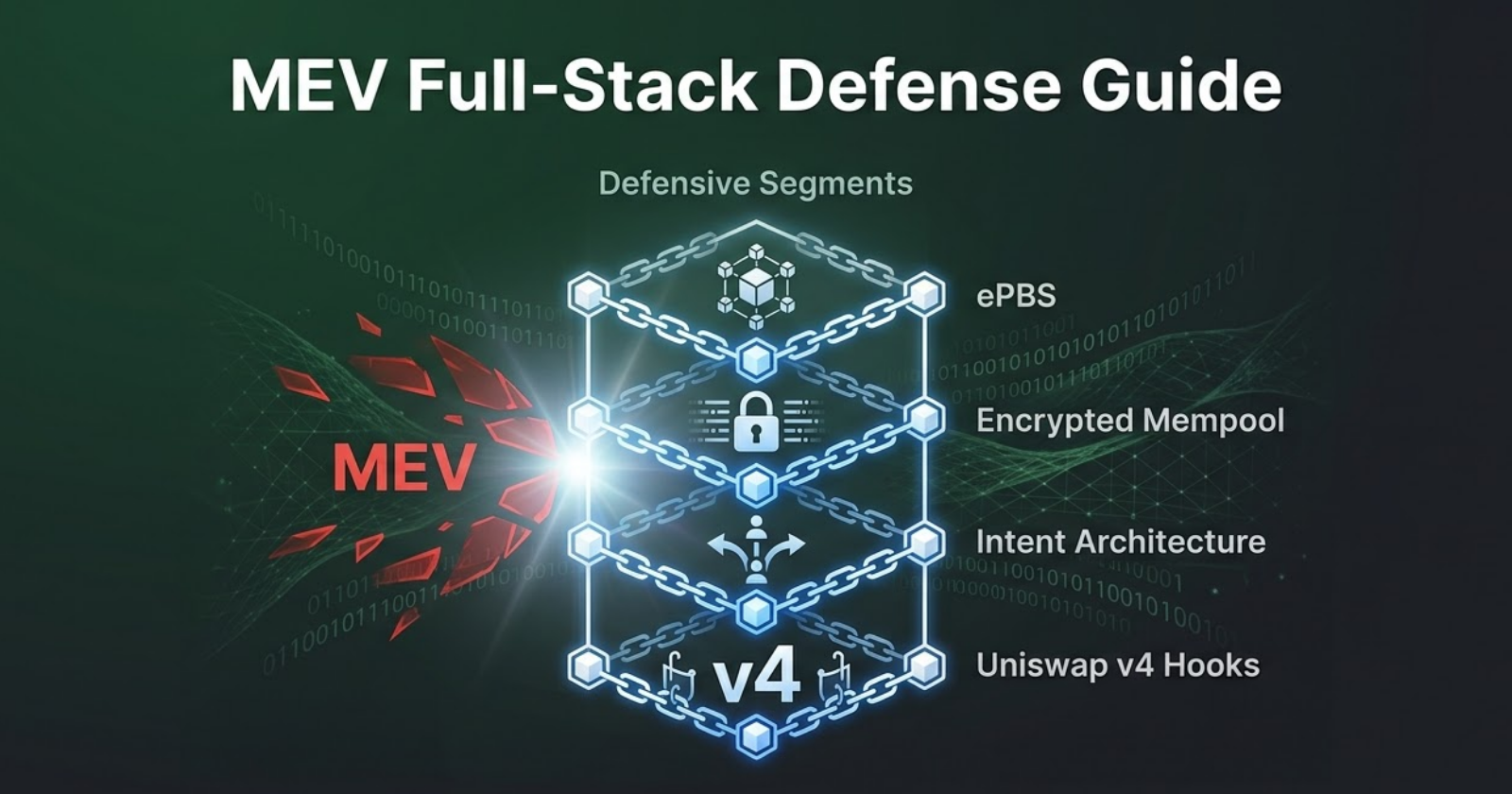
How to protect your DeFi protocol from MEV: A full-stack defense guide
Learn how to defend your DeFi protocol from sandwich attacks and MEV extraction with PBS, encrypted mempools, intent architectures, and Uniswap v4 hooks.
How to Prevent Front-Running in ERC20 Smart Contracts
Learn how to prevent front-running in ERC20 smart contracts using safer allowance methods and secure coding practices. Protect your tokens from exploits.
Related Terms
Front-running
The practice of observing pending transactions and submitting similar transactions with higher gas fees to execute first, extracting value.
MEV (Maximal Extractable Value)
Profit extracted by reordering, including, or excluding transactions within a block.
Sandwich Attack
An MEV attack where an attacker front-runs and back-runs a victim's trade to extract profit from the induced price movement.
Need expert guidance on Mempool?
Our team at Zealynx has deep expertise in blockchain security and DeFi protocols. Whether you need an audit or consultation, we're here to help.
Get a Quote