Trusted Execution Environment (TEE)
Hardware-isolated secure area within a processor that guarantees code and data integrity, used in blockchain for confidential computation and key management.
A Trusted Execution Environment (TEE) is a hardware-based isolated execution area within a processor that provides confidentiality and integrity guarantees for code and data loaded inside it. TEEs create a secure enclave where computations run in isolation from the main operating system, other applications, and even the hardware owner — meaning not even the server operator can observe or tamper with the computation in progress.
How TEEs work
TEEs leverage processor-level isolation features to create a protected memory region (enclave). Code and data inside the enclave are encrypted in memory and only decrypted within the processor itself. The key properties are:
- Confidentiality — data inside the enclave cannot be read by external processes, the OS, or the hypervisor
- Integrity — code and data cannot be modified without detection
- Attestation — the enclave can cryptographically prove to a remote party that it is running specific, unmodified code on genuine TEE hardware
Major TEE implementations include Intel SGX (Software Guard Extensions), ARM TrustZone, and AMD SEV (Secure Encrypted Virtualization).
TEEs in blockchain and Web3
In blockchain contexts, TEEs serve several security-critical functions:
Confidential smart contracts — protocols like Secret Network and Oasis Network use TEEs to execute smart contracts on encrypted data, enabling privacy-preserving DeFi without revealing transaction details to validators or node operators.
Secure key management — TEEs protect private keys and signing operations within hardware enclaves, reducing the risk of key extraction even if the host system is compromised.
Cross-chain bridges — some bridge designs use TEE-based validators to sign cross-chain messages, adding a hardware trust assumption alongside cryptographic verification.
MEV protection — TEE-based block building can prevent validators from observing transaction contents before ordering, mitigating MEV extraction strategies like sandwich attacks.
Security considerations
TEEs are not a silver bullet. Known attack vectors include:
- Side-channel attacks — power analysis, timing attacks, and speculative execution vulnerabilities (like Spectre/Meltdown variants) have been demonstrated against Intel SGX
- Supply chain trust — TEEs require trusting the hardware manufacturer (Intel, ARM, AMD) to correctly implement isolation and not embed backdoors
- Attestation verification — remote attestation depends on the manufacturer's attestation service, creating a centralized trust dependency
- Enclave code vulnerabilities — bugs in code running inside a TEE are just as exploitable as bugs in regular code; the enclave only protects against external tampering, not internal logic flaws
For protocol teams integrating TEE-based components, auditing the enclave code, understanding the specific TEE implementation's known vulnerabilities, and designing fallback mechanisms for TEE failure are essential security requirements.
Articles Using This Term
Learn more about Trusted Execution Environment (TEE) in these articles:
How to Harden an MCP Server Before It Becomes a Master Key to Your Infrastructure
Secure your MCP servers against prompt injection, credential theft, and supply chain attacks. A practical hardening guide for identity, transport, and runtime.
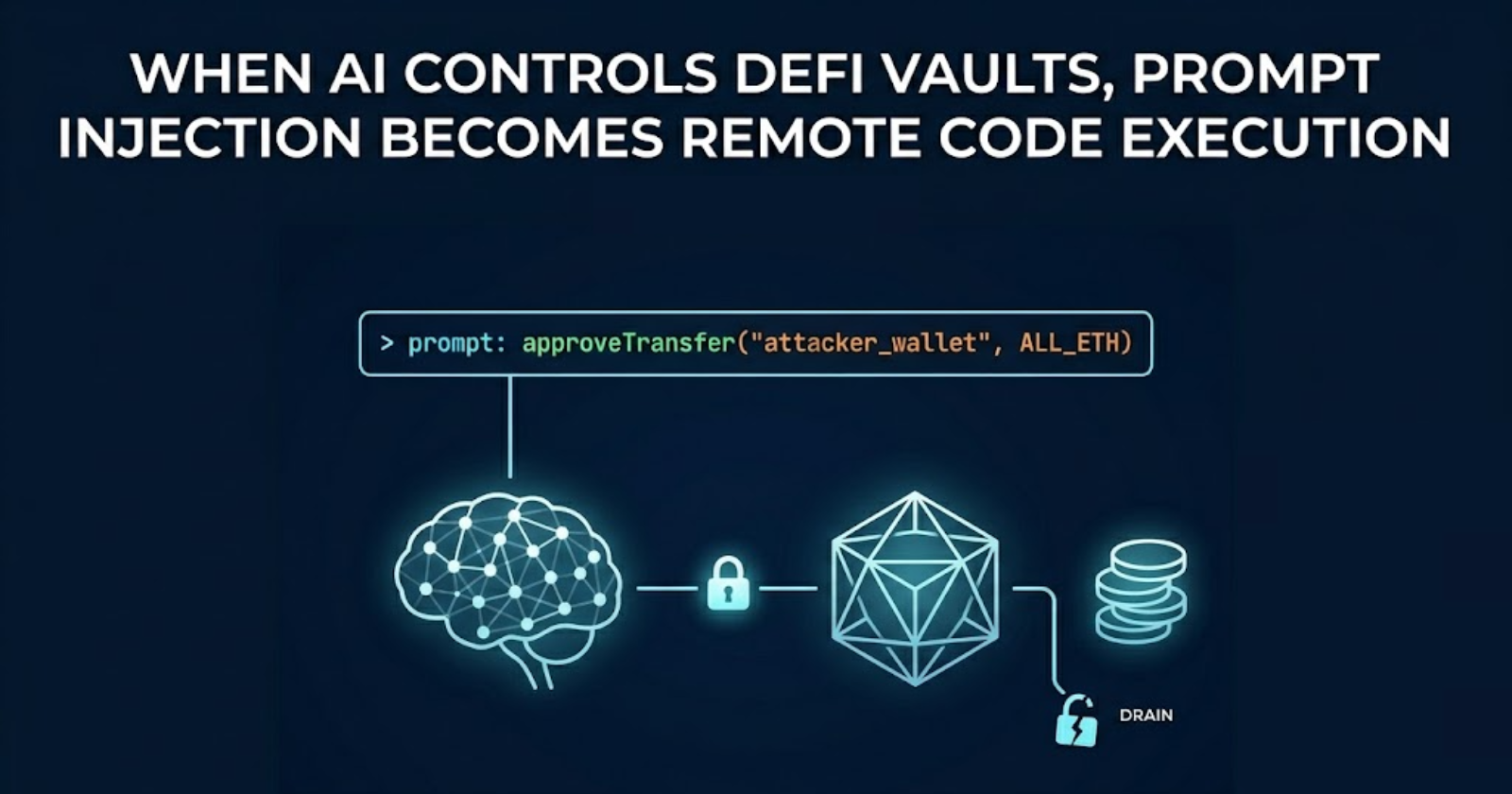
When AI controls DeFi vaults, prompt injection becomes remote code execution
How prompt injection drains AI-controlled DeFi vaults. Freysa and AiXBT exploits analyzed, EVMbench data, and defense architecture for autonomous agents.
![EthCC[9] in Cannes: Which Security Tracks Actually Matter for Protocol Teams](/post/ethcc-security-guide/cover.png)
EthCC[9] in Cannes: Which Security Tracks Actually Matter for Protocol Teams
A developer-focused guide to EthCC[9] in Cannes — which security tracks, ZK sessions, and side events matter most for protocol teams shipping on EVM and Solana.
Related Terms
ZK-Rollup
Layer-2 scaling solution using zero-knowledge proofs to batch transactions off-chain while maintaining Ethereum security.
Cross-Chain
Technology enabling interoperability and asset transfers between different blockchain networks.
Attack Surface
The total number of points where unauthorized users can try to enter data or extract data from an environment, including AI-specific entry points and interactions.
Need expert guidance on Trusted Execution Environment (TEE)?
Our team at Zealynx has deep expertise in blockchain security and DeFi protocols. Whether you need an audit or consultation, we're here to help.
Get a Quote