When LLMs Sign Transactions: AI-Driven Smart Contract Threat Model
When LLMs can prepare or sign transactions, smart contract risk expands into prompt injection, policy drift, simulation mismatch, and wallet authority abuse.
ReadAI security, MCP server reviews, and red-team write-ups across smart contracts, dApps, and Web2 infrastructure.
When LLMs can prepare or sign transactions, smart contract risk expands into prompt injection, policy drift, simulation mismatch, and wallet authority abuse.
Read
How to audit AI trading bots and onchain agents before prompt injection, wallet misuse, and market-facing automation turn into fund loss.
Read
Technical analysis of the largest crypto hack ($1.5B). How compromised frontend infrastructure enabled UI injection that turned blind signing into a total drain.
Read
When AI agents can hold keys, sign transactions, and move funds, the security model changes completely. The practical controls auditors now expect.
Read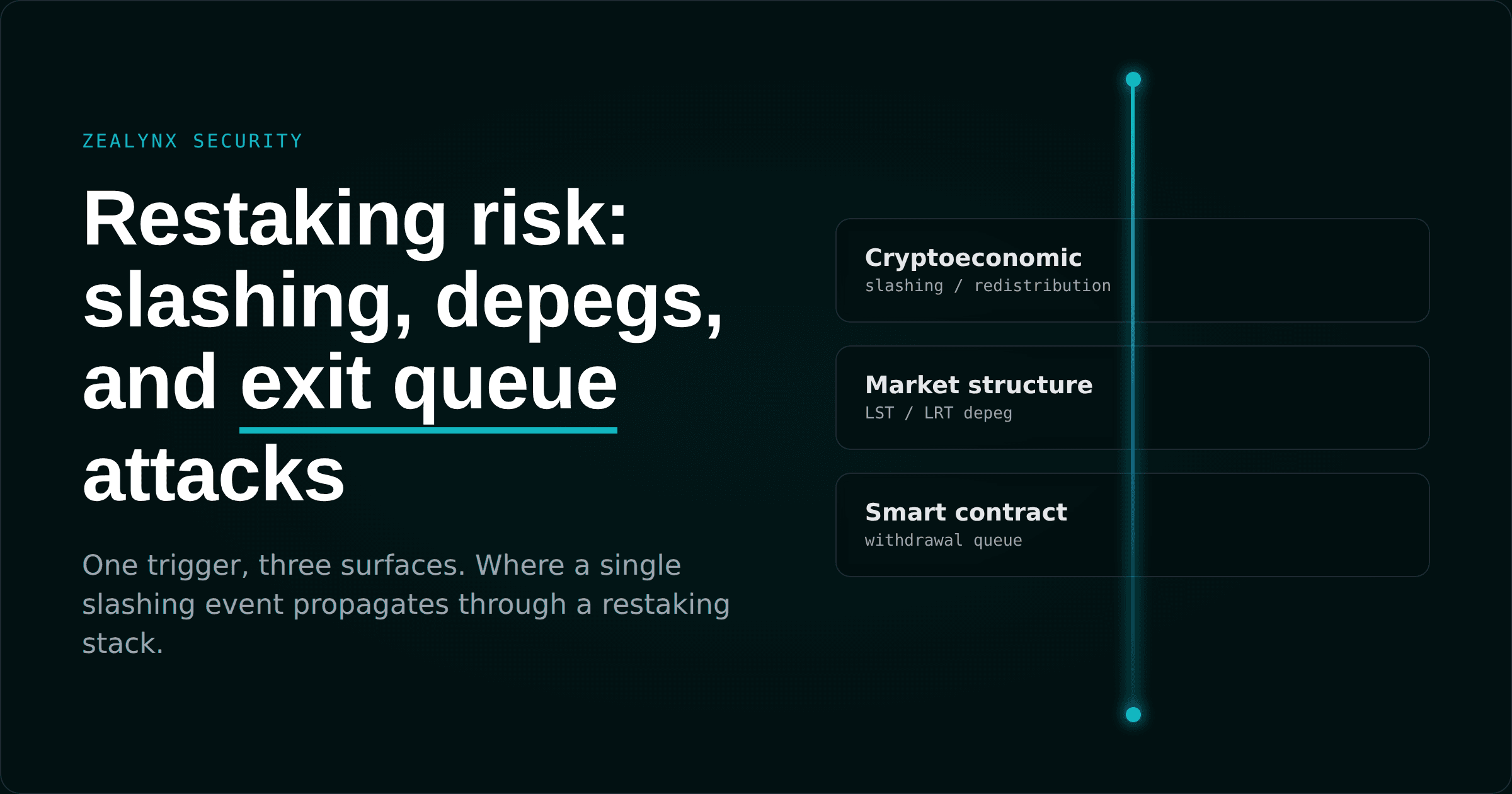
Restaking bundles three distinct failure surfaces — slashing and redistribution, LST/LRT depegs, and withdrawal-queue griefing. Here is how each one actually breaks.
Read
OWASP ASI10 (Rogue Agents) explained: misalignment, reward hacking, deceptive behavior, and how agent autonomy turns policy drift into production impact.
Read
OWASP ASI08 explained: how small AI agent failures cascade across tools, memories, and approval paths into system-wide incidents.
Read
OWASP ASI07 (Insecure Inter-Agent Communication) explained: how agents trust each other too much, relay malicious instructions, and amplify prompt injection.
Read
OWASP ASI01 (Agent Goal Hijack) explained: how prompt injection redirects AI agent objectives. Direct, indirect, and tool-mediated patterns with mitigations.
Read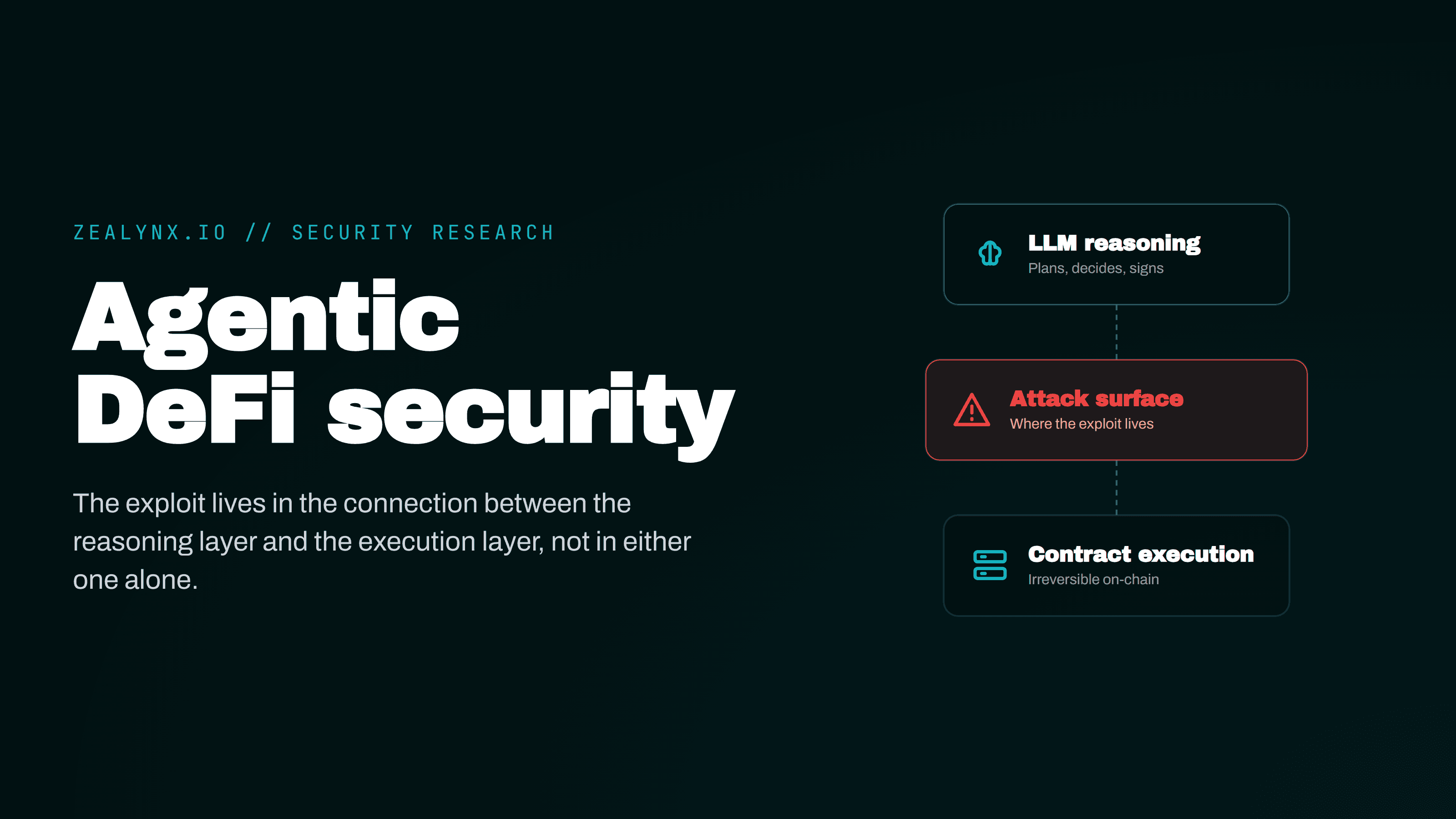
AI agents now autonomously control DeFi treasuries, execute trades, and trigger liquidations. The cross-layer attack surface that contract audits cannot see.
Read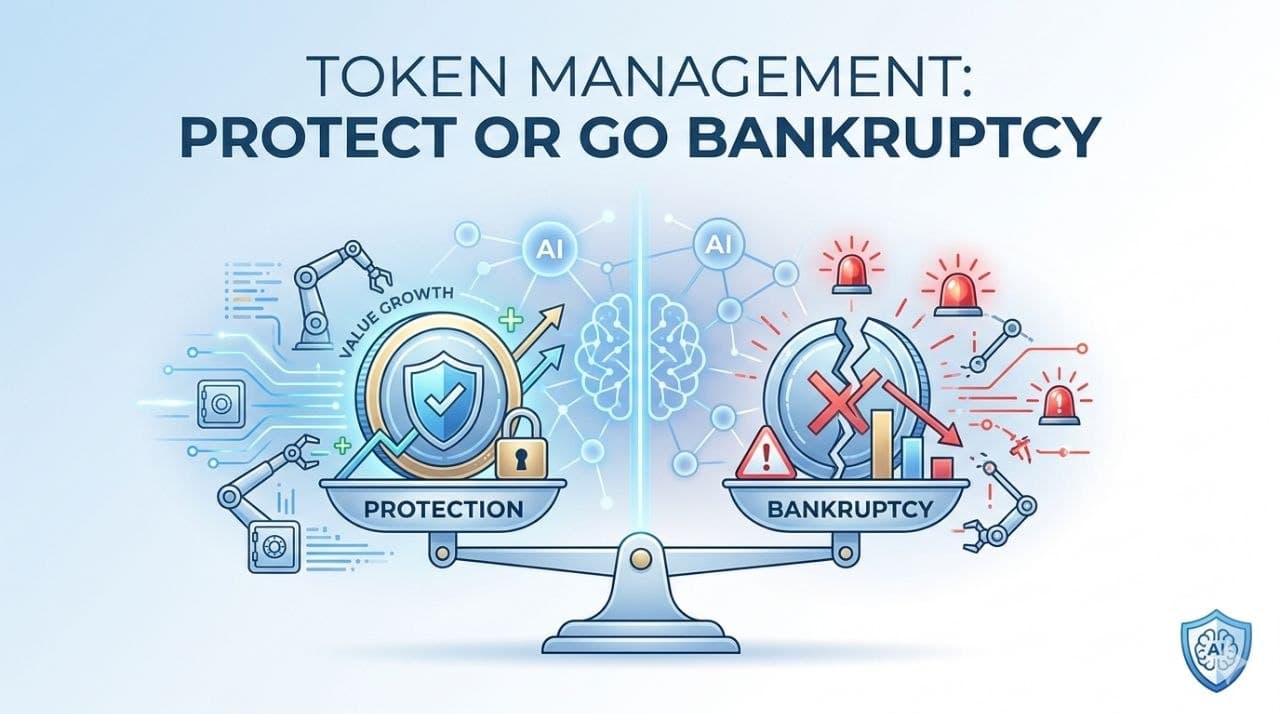
Understand why it is critical to secure your AI applications from misuse
Read
CVE-2025-49596 (CVSS 9.4 Critical): unauthenticated RCE in Anthropic's MCP Inspector. How the proxy architecture failed, the patch (v0.14.1), and lessons for MCP dev tools.
Read